
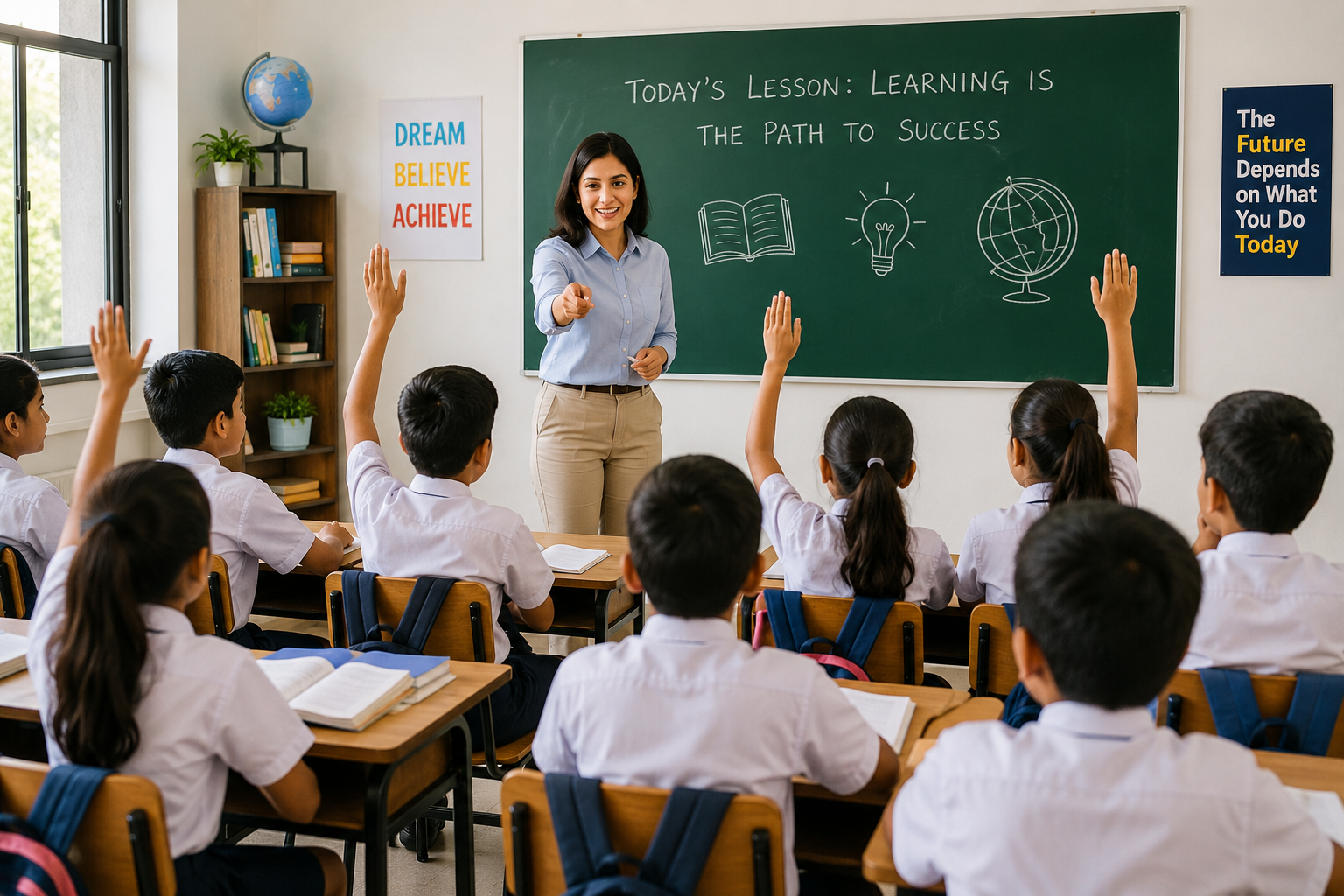
School is one of the most important parts of a person’s life. It is the place where children begin their educational journey and learn the skills they need for the future. Beyond textbooks and exams, school helps students develop confidence, discipline, friendships, and values that stay with them throughout their lives.
Every child experiences school differently, but one thing remains the same. School plays a major role in shaping character, building knowledge, and preparing young minds for the opportunities and challenges ahead.
What Is a School?
A school is an educational institution where students learn various subjects under the guidance of teachers. It provides a structured environment that encourages learning, creativity, and personal development.
Schools can be public, private, religious, or international. Regardless of the type, their main purpose is to educate students and help them become responsible members of society.
Why School Is Important
Education is the backbone of progress, and school is where that education begins.
Children learn essential subjects such as mathematics, science, language, and social studies. These subjects provide the knowledge needed for higher education and future careers.
School also teaches valuable life lessons. Students learn teamwork, communication, problem-solving, and respect for others. These skills are useful in everyday life and in the workplace.
Benefits of Attending School
Some of the biggest benefits include:
- Learning new knowledge and skills
- Developing critical thinking abilities
- Building friendships and social connections
- Improving communication skills
- Learning discipline and responsibility
- Discovering personal interests and talents
- Preparing for future careers
Each of these benefits contributes to a student’s overall growth and success.
Different Types of Schools
There are several types of schools designed to meet different educational needs.
Public Schools
Public schools are funded by the government and are usually available to all children within a certain area. They follow national or regional education standards.
Private Schools
Private schools are independently funded and often offer specialized programs or smaller class sizes.
International Schools
International schools follow global curricula and often serve students from different countries and cultural backgrounds.
Boarding Schools
Boarding schools provide both education and accommodation. Students live on campus while attending classes.
Special Education Schools
These schools support students with specific learning, physical, or developmental needs and provide tailored educational programs.
The Role of Teachers in School
Teachers are at the heart of every school.
They guide students through lessons, encourage curiosity, and help children understand complex topics. A great teacher can inspire students to achieve goals they never thought possible.
Teachers also act as mentors. They support students emotionally and academically while creating a positive learning environment.
School Subjects and Their Importance
Schools teach a variety of subjects to help students gain a well-rounded education.
Mathematics
Mathematics develops logical thinking and problem-solving skills. It is used in everyday activities, from budgeting to measuring and planning.
Science
Science helps students understand the world around them. It encourages observation, experimentation, and curiosity.
Language and Literature
Language classes improve reading, writing, speaking, and communication skills. Literature introduces students to different cultures, ideas, and perspectives.
Social Studies
Social studies teach history, geography, civics, and culture. Students learn how societies function and how historical events shape the present.
Arts and Music
Arts and music encourage creativity and self-expression. These subjects help students explore their talents and develop confidence.
Physical Education
Physical education promotes health, fitness, teamwork, and an active lifestyle.
How School Shapes Character
School is not only about academics.
Students learn honesty, responsibility, respect, and perseverance through daily interactions and experiences. These qualities help them become better individuals.
Group projects, classroom discussions, and extracurricular activities teach cooperation and leadership. Students learn how to work with others and solve problems together.
The Importance of School Friendships
Many lifelong friendships begin at school.
Friends make learning more enjoyable and provide support during difficult times. Through friendships, students learn empathy, communication, and social skills.
Positive friendships can improve confidence and create lasting memories that remain meaningful for years.
Extracurricular Activities in School
Extracurricular activities add excitement and variety to school life.
These activities allow students to explore interests beyond academics and develop new skills.
Popular activities include:
- Sports teams
- Music clubs
- Drama and theater
- Debate competitions
- Art clubs
- Science fairs
- Student councils
Participation in these activities often improves leadership abilities and self-confidence.
Technology in Modern School Education
Technology has changed how students learn.
Many schools now use digital tools such as tablets, computers, online resources, and interactive learning platforms. These tools make lessons more engaging and accessible.
Students can research information quickly, collaborate online, and access educational materials from almost anywhere.
At the same time, schools teach responsible technology use so students can benefit from digital resources while staying safe online.
Challenges Faced by Schools
Schools face several challenges in providing quality education.
Some common challenges include:
- Limited resources
- Overcrowded classrooms
- Technology gaps
- Student stress and academic pressure
- Teacher shortages in certain regions
Addressing these issues requires cooperation between educators, parents, communities, and governments.
How Parents Support School Success
Parents play an important role in a child’s education.
Simple actions such as helping with homework, attending school events, and encouraging reading can make a significant difference.
When parents and teachers work together, students often perform better academically and socially.
Creating a Positive School Environment
A positive school environment helps students feel safe, respected, and motivated.
Schools can create supportive environments by:
- Encouraging inclusivity
- Preventing bullying
- Promoting respect
- Supporting mental well-being
- Celebrating achievements
When students feel valued, they are more likely to participate actively in learning.
The Future of School Education
Education continues to evolve as society changes.
Future schools may use advanced technologies, personalized learning systems, and innovative teaching methods. However, the core purpose of school will remain the same: helping students learn, grow, and reach their full potential.
No matter how education changes, schools will continue to play a central role in shaping future generations.
Also Read:Hans Gosselaar: Life, Family & Biography
Final Thoughts
School is much more than a building where students attend classes. It is a place where knowledge is gained, friendships are formed, and character is developed.
The lessons learned in school extend far beyond textbooks. They influence how people think, communicate, and contribute to society. A strong school experience provides the foundation for lifelong learning, personal growth, and future success.
